Our trust and estate planning services provide the sophisticated legal architecture necessary to preserve, manage, and transition wealth across generations. With strategic instruments such as domestic trusts, comprehensive wills, and tax-efficient structures, we ensure that the intent is executed with absolute fidelity.
What You Should Know About Estate Planning in the Philippines
Estate planning in the Philippines is governed by the Civil Code (R.A. 386) and the National Internal Revenue Code (NIRC), as amended. Unlike other jurisdictions, Philippine law mandates legitimes, reserving a fixed portion of the estate for compulsory heirs.
Absent a structured plan, assets pass through intestate succession, which may not reflect the testator’s intent. Strategic estate planning ensures the proper disposition of the free portion and enables the use of trusts to manage assets for minors or incapacitated heirs. Here are the key instruments of estate planning:
Last Will and Testament (Notarial or Holographic)
This is a formal declaration of how a testator wishes the properties to be distributed. Subject to legitimes, it serves as a primary tool for designating executors and distributing the free portion.
Revocable and Irrevocable Trusts
These are legal arrangements in which a trustee holds and manages assets for designated beneficiaries, allowing assets to bypass probate and ensuring long-term financial management.
Family Holding Companies
Incorporating family assets can also provide a layer of protection and simplify the transfer of interests through shares rather than individual titles.
Donation Inter Vivos
This involves a strategic gifting of assets during a lifetime to reduce the taxable gross estate, subject to donor’s tax regulations.
Life Insurance Trusts
Utilizing proceeds to provide immediate liquidity for estate taxes, ensuring that heirs do not have to sell off real estate to cover tax liabilities.
What Duran & Duran-Schulze Law Does
Duran & Duran-Schulze Law serves as a technical and legal architect for high-net-worth individuals and families. We navigate the complexities of the Philippine laws to build robust estate frameworks that withstand judicial scrutiny. We bridge the gap between personal intentions and the rigid legal requirements to ensure that legacy is protected from unnecessary litigation and fiscal erosion.
Our Trust and Estate Planning Services
We provide a specialized legal framework designed to preserve wealth and ensure the orderly transition of legacy:
Last Will and Testament Drafting
We meticulously draft notarial wills that strictly adhere to the requirements of the Civil Code to minimize the risk of future probate challenges. We ensure the strategic allocation of the “free portion” while maintaining compliance with laws on legitimes.
Trust Establishment and Structuring
We assist in designing trust structures that protect assets for the beneficiaries and bypass the lengthy delays of judicial probate proceedings. With precise trust deeds, we secure long-term asset management and protect minors or incapacitated heirs.
Estate Tax Minimization and Strategy
We also conduct a fiscal audit of holdings to identify legal avenues for reducing estate tax burden. We provide strategic advice on the timing of transfers and the utilization of standard deductions to maximize the net value of properties.
Succession and Continuity Planning
We help develop robust frameworks for business owners to prevent operational disruption and ensure seamless transfer of commercial interests. We can structure share transfers and draft “buy-sell” provisions to protect the company’s longevity.
How to Get Started
For inquiries on requirements, processes, and fees, contact Duran & Duran-Schulze Law at (+632) 8478 5826, (+63) 917 194 0482, or info@duranschulze.com, or simply complete the form on this page. Our office is located at 1210 High Street South Corporate Plaza Tower 2, 26th Street, Bonifacio Global City, Taguig, Metro Manila, Philippines.
Need to Consult a Lawyer?
You can book an online or in-person consultation with Atty. Wendy. Choose a 30-minute or 1-hour session, fill out the form with your information and preferred schedule, pay the fee via PayPal, and meet with the attorney at the scheduled time.
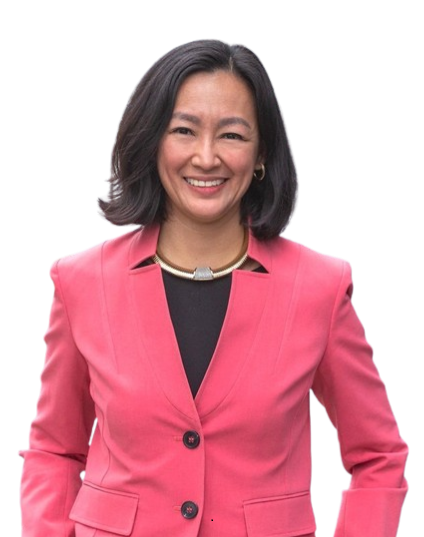
Atty. Mary Wendy A. Duran
Founding Senior Partner [Read Profile]
Family Law, Civil Law, Criminal Law, Special Proceedings, and Property law
Trust and Estate Planning FAQs
For your reference and guidance, here are some frequently asked questions about trust and estate planning in the Philippines:
A Last Will and Testament is a legal document that states how your assets should be distributed upon death. In the Philippines, wills may be notarial or holographic and must comply with formal legal requirements.
A legitime is a portion of estate that the law automatically reserves for compulsory heirs (such as children and spouses). Even if you exclude them in your will, they can contest it to recover their rightful share.
Both have different tax implications. Under the TRAIN Law, both donor’s tax and estate tax are set at a flat rate of 6%. However, a donation allows for immediate transfer, while a will requires probate.
If a person dies intestate (without a will), assets are distributed according to the rules of intestate succession under the Civil Code. However, this may not reflect personal wishes and can lead to delays, higher costs, and family conflicts.
While estate taxes cannot be eliminated, proper estate planning can help manage liquidity, timing, and compliance, thus reducing penalties, delays, and unintended tax burdens.
Common documents include asset lists, property titles, corporate records, insurance policies, and family information.
Yes. Wills, trusts, and estate plans should be reviewed and updated periodically, especially after major life events such as marriage, birth of children, or acquisition of new assets.